
Clearfox Windows · Adelaide window specialists
Energy-Efficient Windows Adelaide: BAL & U-Values
By Clearfox Windows · Published 9 May 2026 (updated 8 October 2026)
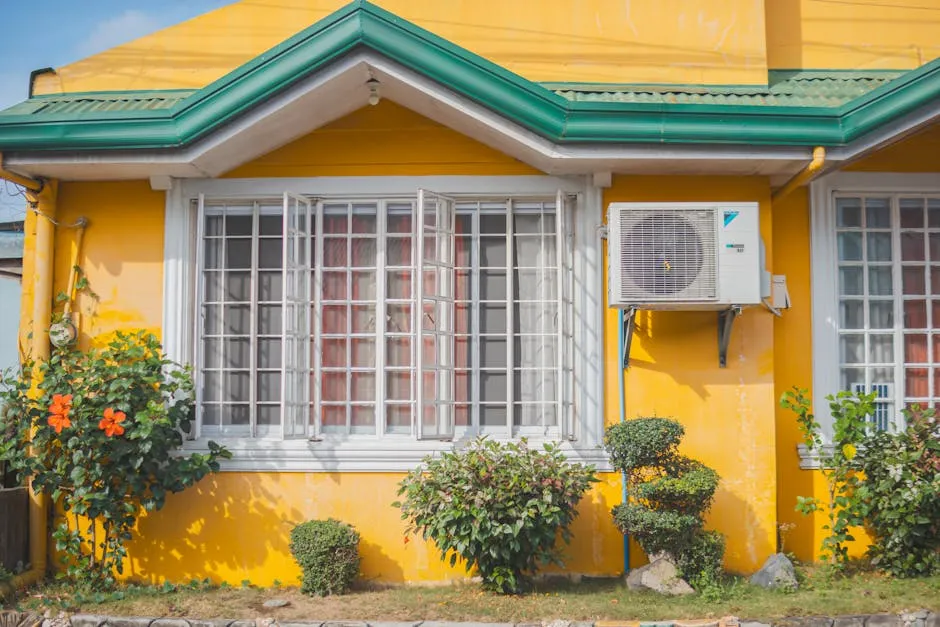
Energy-efficient windows in Adelaide: what actually matters
Lower U-values mean less heat through the window. SHGC tuned to orientation — higher on north, lower on west. Bushfire (BAL) requirements apply in designated bushfire-prone areas, including much of the Adelaide Hills. WERS-rated products come with published, rated performance figures you can compare.
Energy-efficient windows is the area of glazing where homeowners get pulled in three different directions by builders, energy assessors, and window suppliers. Cutting through it: there are four numbers that matter most, and a couple of rating schemes worth knowing about.
The four numbers that matter
U-value
The rate at which heat passes through the window. Lower is better. Single-glazed aluminium ≈ 6.5 W/m²K (terrible). Premium uPVC double-glazed argon-filled ≈ 1.6–2.0 W/m²K (excellent). Your energy assessor or builder can tell you the target for your project.
SHGC (Solar Heat Gain Coefficient)
The fraction of solar radiation passing through the window. Range 0–1. Higher = more solar through. For north-facing winter sun: target SHGC > 0.5. For west-facing summer afternoon: target SHGC < 0.4 (low-e coating gets you there).
VLT (Visible Light Transmission)
How much daylight passes through. Range 0–1. Modern low-e double glazing typically delivers VLT 0.6–0.7 — minimal aesthetic impact while controlling heat.
Air infiltration
Sealed-window leakage rate. Awning and casement windows seal tightly; sliders less so. Ideally specified at the system level, not the glass level.
BAL (Bushfire Attack Level) ratings
Many Adelaide Hills properties — around Stirling, Mount Barker, Hahndorf, Aldgate and Bridgewater, for example — are in designated bushfire-prone areas. For new homes and many additions there, the building rules call for a Bushfire Attack Level (BAL) assessment, and windows must meet the construction requirements for that BAL under AS 3959 (Construction of buildings in bushfire-prone areas).
| BAL level | What changes for windows (general guide) |
|---|---|
| BAL-LOW | No specific bushfire construction requirements |
| BAL-12.5 to BAL-19 | Glazing, frame and screening requirements apply |
| BAL-29 | Stricter glass, frame and screening requirements |
| BAL-40 and BAL-FZ | The most demanding levels — typically tested window systems or bushfire shutters |
This is a simplified guide only. Your BAL assessment, builder or certifier will confirm exactly what your windows must meet. We quote window systems suited to the BAL level you have been given and supply the manufacturer’s product documentation.
NatHERS energy ratings
For new builds and major renovations, the home’s NatHERS star rating depends partly on window performance. The energy assessor uses the window U-values and SHGC values in the model. Higher star targets put more weight on window selection, orientation and shading — your assessor can tell you what the design needs.
Where the products quoted have published U-values and SHGC values, we put them on the quote so the assessor can run the numbers.
WERS — the rating scheme worth knowing
The Window Energy Rating Scheme (WERS) rates the energy performance of windows and publishes U-value and SHGC figures for rated products, so you can compare like with like. For energy-critical projects, asking for WERS-rated products (or equivalent published performance data) is a sensible step.
Where the products quoted are WERS-rated, we pass the ratings through on the quote.
Low-e coatings — a quick guide
Low-emissivity coatings are thin metal-oxide layers on the glazing surface. They reflect long-wave heat — meaning they let visible light through while reflecting infrared. There are several variants:
- Hard-coat (pyrolytic) low-e — durable, smaller SHGC reduction, often suited to north windows
- Soft-coat (sputtered) low-e — higher performance, larger SHGC reduction, needs to sit inside an IGU
- Spectrally selective low-e — high VLT, very low SHGC; best for west-facing rooms
We talk through which variant suits which room at the on-site measure.
Argon and other gas fills
Standard double-glazed units have an air-filled cavity. Replacing the air with argon improves the U-value somewhat for a modest cost premium. Krypton fill performs slightly better but at substantially higher cost — rarely worth it for Adelaide.
Frame matters more than people think
A great glazing unit in a poor frame loses much of its theoretical performance. Aluminium frames conduct heat readily; uPVC and thermally-broken aluminium dramatically outperform standard aluminium. See our frame material comparison for the full breakdown.
Coordinating with air-conditioning specification
Window U-values feed directly into air-conditioning sizing. Better-performing glazing can reduce the heating and cooling load the system has to handle. Coordinate the spec — Adelaide aircon installation quotes calculated against the new glazing can land on a smaller unit than the original house called for.
Specifying for new builds
For a new-build Adelaide home:
- Spec WERS-rated (or equivalently documented) systems with U-values documented per opening
- Tune SHGC to orientation — high on north, low on west
- Specify low-e coating on west and south windows at minimum
- Argon fill as standard
- Premium uPVC frames unless budget forces aluminium (then specify thermally-broken)
Specifying for retrofits
For an existing Adelaide home:
- Audit existing performance — single-glazed, double-glazed, frame material, condition
- Prioritise west-facing windows for double-glazing-with-low-e first if budget is staged
- Maintain heritage character where the streetscape demands it
- Document U-values in case of future energy compliance requirements
What it costs (briefly)
- Premium energy-efficient uPVC double-glazed window: $2,500–$7,500 per opening fitted
- Adding low-e + argon to a standard double-glazed unit: a modest premium, itemised on the quote
- Bushfire-rated systems at the higher BAL levels: a significant premium over standard, quoted on the specific system
See our cost guide for full ranges.
Related services
Clearfox Windows quotes and installs energy-efficient windows, double glazing, new build windows across Adelaide metro and the Adelaide Hills.
Frequently asked questions
What is a good U-value for windows in Adelaide?
Lower is better. Whole-window U-values range from roughly 6 W/m²K or more for single-glazed aluminium down to around 2 W/m²K or lower for well-specified double-glazed uPVC or thermally-broken systems. For a new build, the target comes from the home’s energy assessment.
What does BAL mean for windows?
BAL (Bushfire Attack Level) is the rating a site gets from its bushfire assessment under AS 3959. In designated bushfire-prone areas, the BAL sets what windows must meet. Your BAL assessment, builder or certifier confirms the requirement.
Where do I find a window’s performance figures?
Ask for the product’s published U-value and SHGC. Where a product is WERS-rated, the scheme publishes those figures for each rated window.
The on-site measure
Energy-efficiency specification works best in the field — we look at the house, the orientation, the existing shading, and the operator’s actual use patterns. Request a quote → and we’ll spec it on site.