
Clearfox Windows · Adelaide window specialists
Aluminium vs uPVC vs Timber Windows in Adelaide
By Clearfox Windows · Published 9 May 2026 (updated 8 October 2026)
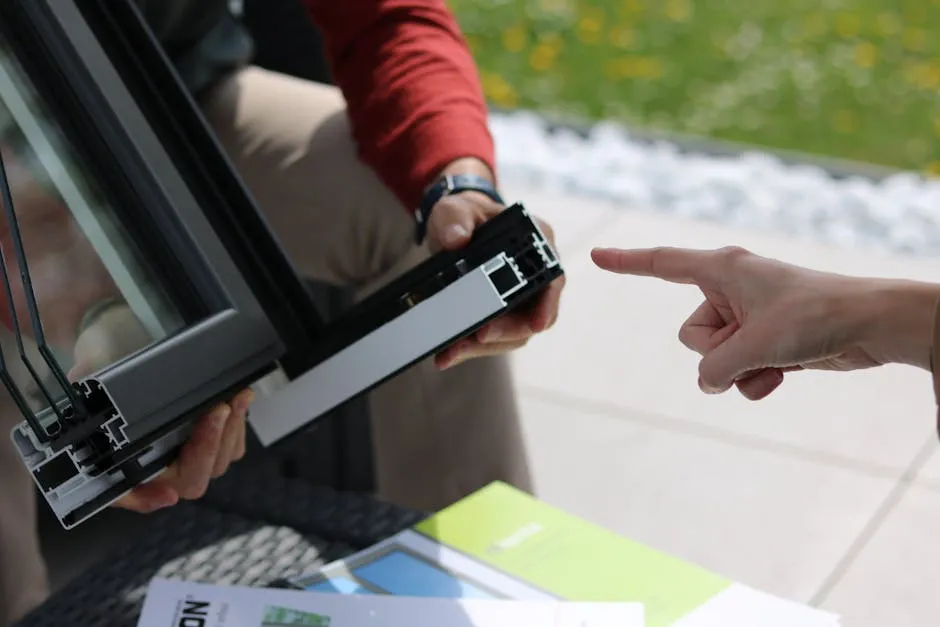
Aluminium vs uPVC vs timber: choosing the right window frame
Aluminium is the cheapest and most durable per dollar — best for coastal exposure and modern aesthetics. uPVC offers the best thermal performance per dollar — the right choice if energy efficiency is the top priority. Timber suits heritage and character homes where the streetscape and the building’s age justify the higher maintenance and price. The right answer depends on your home’s age, location, exposure, and how long you’ll own it.
The frame material question is the second decision after “do I need new windows or can I retrofit”. Get the frame material right and the rest of the spec falls into place; get it wrong and you’ll regret the choice every time you go to clean the window or pay the heating bill.
The three options, in plain terms
Aluminium — extruded metal frame, powder-coated finish. Strong, light, immune to rot and termites. Conducts heat readily (cold to touch in winter, hot in summer) unless thermally-broken.
uPVC — unplasticised polyvinyl chloride. A multi-chamber polymer profile. Excellent thermal performance because the polymer doesn’t conduct heat. Common in Europe; growing fast in SA.
Timber — historically western red cedar, Victorian ash, or kauri pine. The original window frame material. Looks the part on heritage and character homes; needs periodic re-coating.
Cost — apples to apples
For a standard 1200×1500mm awning window, fitted, in 2026:
| Material | Price band |
|---|---|
| Aluminium single-glazed | $1,000–$2,200 |
| Aluminium double-glazed | $1,800–$3,800 |
| uPVC double-glazed | $2,500–$5,000 |
| Timber casement single-glazed | $1,800–$3,500 |
| Timber casement double-glazed | $2,800–$5,800 |
uPVC is rarely worth specifying as single-glazed — the thermal win comes from the combination of frame and glazing.
Thermal performance — frame matters more than people think
A standard aluminium frame conducts heat readily, so it gives away a meaningful share of the benefit of a good double-glazed unit. uPVC and thermally-broken aluminium frames hold on to much more of it. Indicative whole-window U-values (lower is better — always check the published figure for the specific product):
| System | Indicative U-value (W/m²K) |
|---|---|
| Single-glazed aluminium | around 6 or more |
| Double-glazed aluminium | roughly 3.5–4.5 |
| Double-glazed thermally-broken aluminium | roughly 2.5–3.5 |
| Double-glazed uPVC | roughly 2–3 |
| Triple-glazed premium uPVC | lower again |
If energy efficiency is the priority, uPVC with double-glazing wins per dollar. The frame-and-glazing decision feeds the air-conditioning decision — if a system replacement is also on the cards, Adelaide aircon installation specialists typically size the new unit against the new window U-values, not the old ones, which can mean a smaller system than expected.
Durability — different definitions
Aluminium and uPVC are very low-maintenance — mostly a periodic wash. Both are long-lasting and ignore termites and rot. Check the manufacturer’s stated warranty on the frame and finish.
Timber needs attention. A well-finished timber window needs periodic exterior re-coating; cheaper timber, poor original finishing and harsh exposure shorten the interval. Looked after well, timber windows can last for generations; neglected, they can fail early.
Coastal exposure
For homes close to the coast — Glenelg, Henley Beach, West Lakes, Brighton, Aldinga — salt accelerates wear on cheap aluminium. Marine-grade aluminium (a higher-spec extrusion with a coastal-rated finish) is the sensible choice; a standard powder-coat can chalk and discolour sooner on direct salt exposure. Expect to pay somewhat more for it.
uPVC is largely unaffected by salt. Timber, properly finished, can last well on the coast — but only if the coating discipline is rigorous.
Heritage and character homes
For Federation, Edwardian, and Victorian homes in heritage overlay zones, timber is usually the only sympathetic choice — and in heritage areas, council may require it for street-facing windows (check with your council before ordering). Modern profiled timber windows can accept double glazing without losing the heritage detail; we run that conversation as part of the on-site measure.
For 1960s–1990s homes outside heritage overlay, all three materials work. uPVC’s growing visual acceptance means it’s increasingly a valid choice even on character homes.
Decision framework
Three questions:
- What’s your priority — cost, thermal, or aesthetics?
- Cost: aluminium
- Thermal: uPVC
- Aesthetics on a heritage home: timber
- How long will you own the home?
- <5 years: aluminium probably
- 5–15 years: uPVC, recover the energy premium
- 15+ years or forever home: best fit per priority
- Coastal or BAL exposure?
- Coastal: marine-grade aluminium or premium uPVC
- Bushfire-prone (BAL): a system suited to your BAL level — at the highest levels, product choice narrows
Related services
Clearfox Windows quotes and installs aluminium windows, uPVC windows, timber windows, replacement windows across Adelaide metro and the Adelaide Hills.
Frequently asked questions
Which window frame material is best for Adelaide homes?
There’s no single best material. Aluminium suits coastal homes and modern designs and needs little maintenance; uPVC insulates well and suits energy-focused upgrades; timber suits heritage and character homes. The right choice depends on the house, the orientation and your budget.
Is uPVC or aluminium cheaper in Adelaide?
Standard aluminium is usually the cheaper frame. As a typical guide, aluminium runs about $700–$3,500 per opening single-glazed, and double-glazed uPVC about $1,500–$7,500 per opening fitted. Thermally-broken aluminium closes some of the gap in both price and performance.
Can I mix frame materials in one house?
Yes. Many Adelaide homes keep timber on the street-facing rooms to suit the character and use aluminium or uPVC at the back. Your quote can itemise each opening separately.
Getting it right at the on-site measure
The right call comes from looking at the existing windows, the streetscape, the orientation, and the overlay constraints. We bring sample profiles to every measure visit so you can compare the three side-by-side against your existing windows. Request a quote →